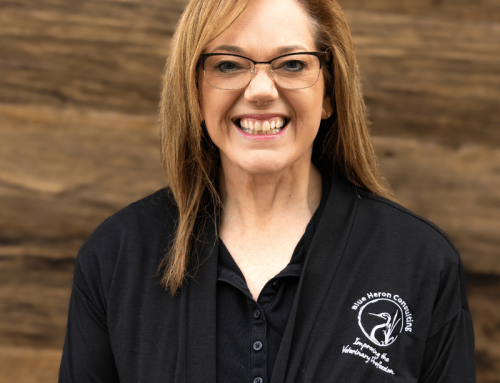
by Stacy Gentry | Blue Heron Consulting
Growth is exciting, but it can also reveal the limitations of systems that once worked perfectly well.
When your veterinary practice first opened, a small team, manageable appointment schedule, and relatively straightforward operations may have made it easy to keep things running smoothly. Training happened organically, inventory could be monitored closely, and owners or managers were involved in nearly every decision.
But as appointment volume increases, teams expand, and services evolve, those same approaches may no longer be sustainable.
A process that works for five employees might create confusion for fifteen. An inventory system designed for a smaller caseload may struggle to keep up with increased demand. And an owner who once managed every detail may find themselves spending more time putting out fires than leading the business.
The challenge isn’t simply growing your practice. It’s making sure your operations can support that growth.
Here are three areas worth revisiting as your hospital evolves.
1. Inventory Management: From Keeping Stock to Managing a System
Inventory is one of the most important operational and financial responsibilities within a veterinary practice. It’s also an area where growing pains can become expensive.
In the early stages of ownership, inventory management may be relatively simple. A smaller team can easily communicate what’s running low, and purchasing decisions may be handled by one or two people.
As the practice grows, however, increased appointment volume, additional services, and more employees handling inventory can make these informal processes less effective.
Without consistent procedures, hospitals may experience:
- Overstocking or unnecessary purchasing
- Expired medications and products
- Shortages of frequently used supplies
- Inconsistent ordering and receiving procedures
- Difficulty understanding how inventory affects profitability
What can you do?
Start by understanding which products have the greatest impact on your inventory spending. An ABC inventory report categorizes products based on their value or contribution to total inventory usage, helping your team prioritize where to focus its attention. This can reveal opportunities to adjust purchasing habits, review stock levels, and reduce unnecessary spending without compromising patient care.
- Run an ABC inventory report. Identify the products that account for the largest share of your inventory spending. Use this information to prioritize which items deserve closer oversight and more frequent review.
- Review purchasing and stocking practices. For your highest-impact products, evaluate current stock levels, ordering frequency, expiration dates, and minimum and maximum quantities. Look for opportunities to reduce excess inventory while maintaining the supplies needed for patient care.
- Establish consistent processes and accountability. Clarify who is responsible for ordering, receiving, and monitoring inventory. Establish a regular schedule to review purchasing patterns and track progress over time.
2. Onboarding & Training: From Learning as You Go to a Repeatable Process
When a veterinary practice first opens, training often happens naturally. With fewer appointments and a smaller team, owners and managers may have more time to work directly alongside new employees, demonstrate procedures, and answer questions as they arise.
But as the hospital gets busier, that approach becomes harder to maintain.
Experienced employees may be expected to train new hires while managing their regular responsibilities. Important information can be communicated inconsistently, and new team members may struggle to understand expectations when training depends on who happens to be available.
Over time, these challenges can affect employee confidence, efficiency, and the overall team experience.
What can you do?
Build a training program that doesn’t depend entirely on one person’s availability. Start with a documented onboarding plan that outlines what new employees need to learn during their first days, weeks, and months.
Then, consider how training responsibilities can be shared across your team. Make training a team effort by identifying team members who can share their knowledge, demonstrate best practices, and support new employees. Establish clear expectations around training responsibilities to help create a consistent experience without placing the entire burden on one person.
A few ways to strengthen your approach include:
- Developing role-specific training checklists.
- Documenting standard operating procedures (SOPs).
- Establishing clear milestones for evaluating progress.
- Creating opportunities for ongoing education and skill development.
Training should also continue beyond onboarding. When team members attend continuing education events or learn new techniques, create opportunities for them to share relevant takeaways with the rest of the hospital.
A strong training program grows with your practice instead of becoming harder to maintain as your team expands.
3. Leadership & Delegation: From Managing the Day to Leading the Team
In the early stages of practice ownership, being involved in nearly every decision may feel necessary. Owners often wear multiple hats, from overseeing patient care and managing employees to reviewing finances and addressing operational challenges.
But as the hospital grows, trying to maintain that same level of involvement can create bottlenecks.
Employees may wait for approval before making routine decisions, managers may lack clarity about their responsibilities, and owners can find themselves overwhelmed by tasks that could be appropriately delegated.
Growth requires a shift from personally managing every detail to developing a team that can operate confidently and consistently.
What can you do?
Empower your team to make decisions. Clarify which decisions team members can make independently, provide the resources and guidance they need, and create an environment where people feel comfortable taking initiative.
Delegate responsibility, not just tasks. Identify work that others can take ownership of, communicate the desired outcomes, and provide the support needed to succeed. Delegation creates opportunities for team members to grow while allowing leaders to focus on higher-level priorities.
Establish clear expectations and accountability. Ensure team members understand what they are responsible for, how success will be measured, and when to follow up. When expectations aren’t met, approach the conversation as an opportunity to understand barriers, provide support, and determine next steps.
Use team meetings with purpose. Regular meetings create opportunities to communicate priorities, recognize accomplishments, address challenges, encourage collaboration, and follow up on commitments. Assign ownership to action items so discussions translate into progress.
Remember: leadership requires a willingness to acknowledge mistakes, have difficult conversations, and adapt when something isn’t working. You don’t have to know everything to lead a successful practice. But you do need to build a team, establish clear expectations, and create an environment where people can succeed together.
Growth Is More Than Expansion
When we think about practice growth, it’s easy to focus on visible milestones: hiring another veterinarian, expanding a facility, increasing revenue, or opening a second location. But sometimes the most meaningful progress happens before those milestones.
One BHC client spent the past year strengthening their financial records, improving inventory management, and refining operational processes. Rather than rushing into expansion, they focused on understanding what a healthy, sustainable practice should look like.
Now, with a stronger operational foundation, they’re exploring the possibility of opening a second location.
Their experience offers an important reminder: preparing for growth is progress, too.
Whether your hospital is approaching its first anniversary or its twentieth, taking time to evaluate your systems can help you recognize how far you’ve come and identify what needs to change next.
Building a Practice That Lasts
A successful veterinary practice isn’t built on systems that never change. It’s built on the ability to recognize when change is needed and respond intentionally.
You don’t have to overhaul every process at once.
Start by identifying one area where your hospital is experiencing growing pains. Talk with your team, evaluate what’s working, and determine which improvements could make the greatest difference.
Then, establish a plan, assign responsibility, and measure your progress.
Small, intentional improvements can help create the operational foundation your practice needs for long-term success.
Ready to strengthen the systems supporting your practice?
Blue Heron Consulting’s experienced team of veterinary-specific operational coaches helps practice owners and managers evaluate operations, improve workflows, develop stronger teams, and create sustainable systems tailored to their hospital’s needs.